

Introduction
India’s legal system is vast, complex, and constantly evolving. To ensure that laws remain relevant, fair, and effective, a specialized body plays a crucial role behind the scenes—the Law Commission of India. This institution has significantly contributed to shaping modern Indian law through research, analysis, and recommendations.
In this comprehensive guide, we will explore the structure, functions, history, and importance of the Law Commission of India, along with its influence on legal reforms.
What is the Law Commission of India?

The Law Commission of India is a non-statutory advisory body established by the Government of India. Its primary purpose is to recommend legal reforms and improve existing laws to meet the changing needs of society.
Unlike courts or legislatures, the commission does not enact laws. Instead, it studies legal issues and submits detailed reports to the government, which may then act upon them.
Key Characteristics
-
Advisory body (not permanent)
-
Reconstituted every few years
-
Composed of legal experts, judges, and scholars
-
Works under the Ministry of Law and Justice
Historical Background of the Law Commission of India
The origin of law commissions in India dates back to the British era.
Early Law Commissions
The first law commission was established in 1834 under the chairmanship of Lord Macaulay. It played a pivotal role in drafting the Indian Penal Code, which remains a cornerstone of Indian criminal law.
Post-Independence Development
After independence in 1947, India established its own Law Commission in 1955. Since then, multiple commissions have been formed, each contributing to different areas of law.
Objectives of the Law Commission of India
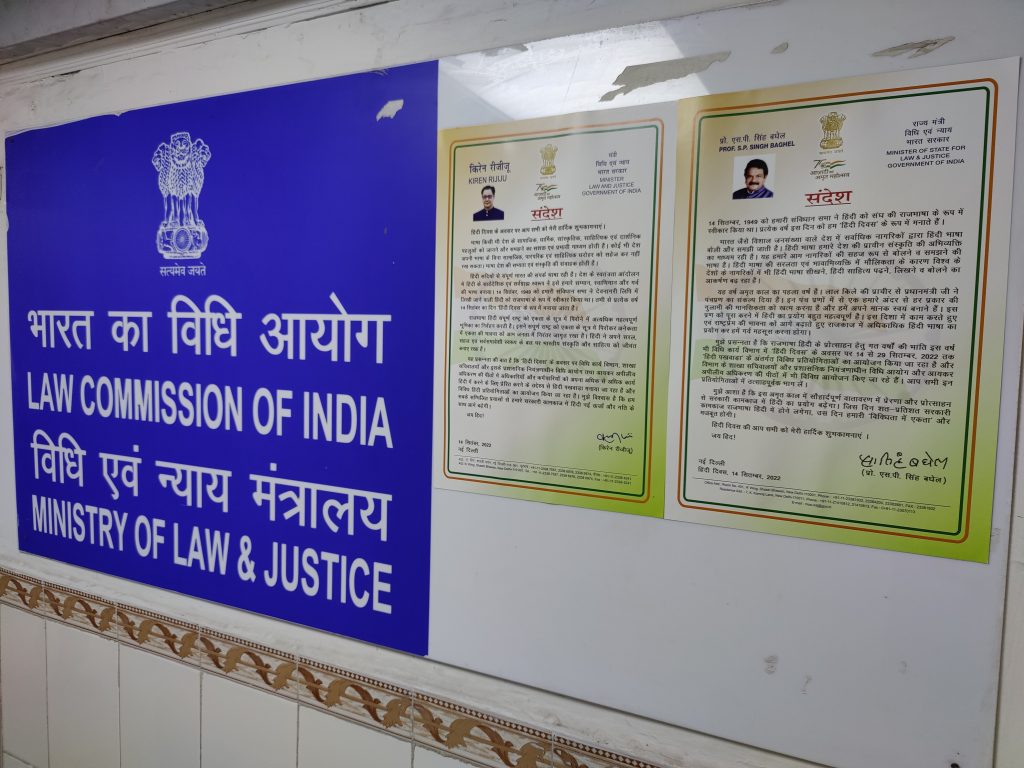
The Law Commission of India aims to modernize and simplify the legal framework of the country.
Core Objectives
-
Review outdated laws
-
Suggest new legislation
-
Promote justice and fairness
-
Reduce legal complexities
-
Align laws with constitutional values
Its work ensures that the legal system keeps pace with social, economic, and technological changes.
Functions of the Law Commission of India
The Law Commission of India performs a wide range of functions that directly impact legal development.
1. Legal Reform Recommendations
The commission identifies outdated or irrelevant laws and suggests amendments or repeals.
2. Research and Analysis
It conducts in-depth studies on complex legal issues such as criminal justice, family law, and commercial law.
3. Codification of Laws
The commission works to simplify and organize laws into a structured format for easier understanding and implementation.
4. Judicial Reforms
It suggests measures to reduce delays and improve efficiency in courts.
5. Public Consultation
The commission often invites suggestions from legal experts, stakeholders, and the public.
Structure and Composition
The Law Commission of India typically consists of:
-
Chairperson (usually a retired Supreme Court judge)
-
Full-time members
-
Part-time members
-
Member-secretary
These individuals bring diverse expertise, ensuring well-rounded recommendations.
Important Reports of the Law Commission of India

Over the years, the Law Commission of India has produced numerous influential reports. These reports have shaped Indian legislation and judicial practices.
Notable Contributions
-
Reform of criminal laws
-
Recommendations on electoral reforms
-
Suggestions for uniform civil code debates
-
Legal education reforms
Table: Key Functions and Impact Areas
| Function | Description | Impact Area |
|---|---|---|
| Law Review | Examines existing laws | Legal modernization |
| Legislative Recommendations | Proposes new laws | Policy development |
| Judicial Reform Suggestions | Improves court efficiency | Justice delivery system |
| Public Consultation | Gathers expert and citizen input | Democratic participation |
| Legal Research | Studies complex issues | Evidence-based policymaking |
Role in Legal Reforms in India
The Law Commission of India has played a critical role in transforming India’s legal landscape.
Criminal Law Reforms
It has contributed to improving laws related to crime, punishment, and justice delivery.
Civil Law Improvements
Recommendations have helped streamline property laws, contract laws, and family laws.
Social Justice
The commission has addressed issues like gender equality, human rights, and marginalized communities.
Importance of the Law Commission of India
The Law Commission of India is essential for maintaining a dynamic and responsive legal system.
Why It Matters
-
Keeps laws updated
-
Promotes transparency and fairness
-
Enhances access to justice
-
Supports evidence-based policymaking
Without such a body, legal reforms would be slower and less structured.
Challenges Faced by the Law Commission of India

Despite its importance, the Law Commission of India faces several challenges.
Key Issues
-
Recommendations are not binding
-
Delays in government action
-
Limited resources
-
Temporary nature of the body
These challenges can affect the implementation of important reforms.
Law Commission of India and the Constitution
The work of the Law Commission aligns closely with the principles of the Constitution of India.
Constitutional Alignment
-
Promotes equality before law
-
Protects fundamental rights
-
Encourages justice—social, economic, and political
Expert Tips: Understanding the Law Commission of India
If you are a student, legal professional, or researcher, here are some practical tips:
1. Study Its Reports
Law Commission reports are rich sources of legal knowledge and analysis.
2. Follow Recent Developments
Stay updated on newly published reports and recommendations.
3. Use Reports for Research
They provide valuable insights for academic and legal writing.
4. Analyze Implementation
Compare recommendations with actual laws to understand real-world impact.
How the Law Commission Influences Policy


Although advisory in nature, the Law Commission of India significantly influences government decisions.
Process of Influence
-
Identifies legal issue
-
Conducts research
-
Publishes report
-
Government reviews recommendations
-
Possible legislative action
This structured process ensures well-informed policymaking.
Recent Trends and Developments
In recent years, the Law Commission of India has focused on:
-
Digital and cyber laws
-
Electoral reforms
-
Criminal justice reforms
-
Environmental laws
These areas reflect the changing needs of modern India.
FAQs
1. Is the Law Commission of India a permanent body?
No, the Law Commission of India is not permanent. It is reconstituted periodically by the government.
2. Are its recommendations binding?
No, its recommendations are advisory and not legally binding.
3. Who appoints the members?
The Government of India appoints the members of the commission.
4. How many Law Commissions have been formed?
More than 20 Law Commissions have been constituted since independence.
5. Can the public contribute to its work?
Yes, the commission often invites public opinions and suggestions.
Conclusion
The Law Commission of India plays a vital role in shaping the legal framework of the nation. Through research, analysis, and well-reasoned recommendations, it ensures that laws evolve with society’s needs.
Even though its suggestions are not binding, the commission’s influence on policy and legislation is undeniable. From modernizing outdated laws to addressing emerging legal challenges, the Law Commission of India remains a cornerstone of legal reform in India.
For anyone interested in law, governance, or public policy, understanding the Law Commission of India is essential. Its work not only reflects the present state of the legal system but also shapes its future trajectory.