


Introduction: Why These Incidents Matter More Than People Think
Every day, people walk through supermarkets, offices, hotels, hospitals, and public streets without expecting anything unusual to happen. Yet, one unexpected moment—like a wet floor or uneven step—can completely change a person’s life. Among all common personal injury situations, slip and fall accidents remain one of the most frequent and underestimated.
What makes them particularly serious is not just the immediate injury but the long-term consequences that follow. A simple fall can lead to fractures, head trauma, or spinal complications that require months of recovery. In many cases, victims also face emotional distress, financial strain, and loss of independence.
These incidents often happen because someone failed to maintain a safe environment. Whether it is a store owner ignoring a spill or a landlord neglecting broken stairs, responsibility plays a key role in determining outcomes. Understanding how these situations occur and what steps to take afterward can make a major difference in recovery and compensation.
Understanding How Everyday Hazards Lead to Injuries

Most dangerous situations do not happen because of rare events—they happen because of ordinary negligence. A small oversight, like failing to clean a spill or repair a cracked tile, can quickly become hazardous.
One of the most common triggers is slippery surfaces. Water, oil, or cleaning fluids left unattended can create nearly invisible danger zones. Even experienced individuals can lose balance instantly when the surface beneath them changes unexpectedly.
Another major issue is structural neglect. Broken stairs, uneven flooring, and poorly maintained walkways are common in both old and new buildings. These hazards often go unnoticed until someone gets hurt.
Poor lighting also contributes significantly. When visibility is reduced in staircases, parking lots, or corridors, people are unable to detect obstacles in time.
It is important to recognize that many slip and fall accidents are preventable when proper care and attention are taken by property owners and managers.
Common Causes and Risk Factors in Public and Private Spaces
Understanding the root causes helps reduce future risks. While some hazards are environmental, others are linked to human negligence.
Wet floors remain the leading cause. Spilled drinks in restaurants, recently mopped floors without warning signs, or leaks from appliances often create dangerous walking conditions.
Cluttered pathways are another major issue. Boxes, cables, or equipment left in walkways can obstruct movement and increase risk.
Weather conditions also play a role. Rain, snow, and ice can make outdoor surfaces extremely dangerous if not treated properly.
In many cases, slip and fall accidents occur due to a combination of these factors rather than a single cause, making prevention even more important.
Injuries and Long-Term Effects on Health and Lifestyle
The severity of injuries varies widely depending on the situation. Some people recover quickly, while others experience long-term or permanent effects.
Head injuries are among the most serious outcomes. Even mild concussions can lead to memory issues, dizziness, and difficulty concentrating.
Fractures are also extremely common. Wrists, hips, and ankles often absorb the impact during a fall, sometimes requiring surgery and rehabilitation.
Spinal injuries can be life-changing. Damage to the spine may lead to chronic pain or reduced mobility, affecting a person’s ability to work or perform daily tasks.
Soft tissue injuries such as sprains and ligament damage may seem minor initially but can cause long-term discomfort if not treated properly.
These outcomes highlight why slip and fall accidents should never be ignored or dismissed as minor incidents.
Legal Responsibility and How Liability Is Determined
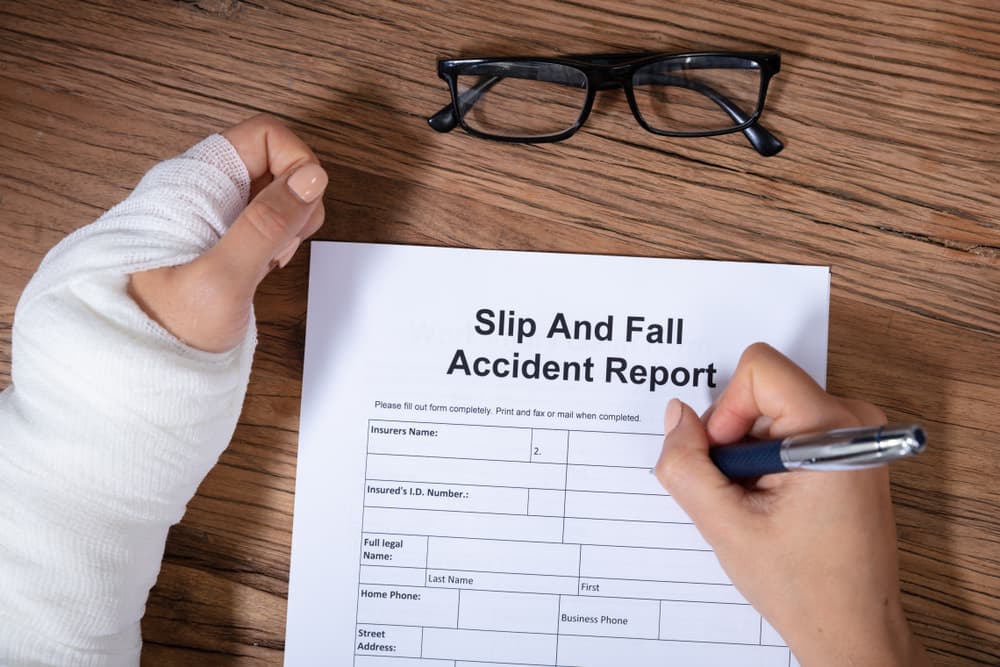
Determining responsibility is one of the most important parts of any injury-related situation. Property owners, landlords, and businesses all have a duty to maintain safe environments.
If they fail to fix hazards or warn visitors about dangers, they may be considered negligent. However, proving negligence requires clear evidence such as photos, maintenance records, and witness statements.
Timing is also important. Reporting the incident immediately strengthens the credibility of a claim and helps preserve evidence.
In some cases, shared responsibility may apply. If the injured person ignored warning signs or acted carelessly, compensation may be reduced.
Understanding these legal principles helps victims better navigate claims involving slip and fall accidents.
Preventive Measures That Reduce Risk in Daily Environments
Prevention is always more effective than dealing with consequences afterward. Simple safety measures can significantly reduce risk in homes, workplaces, and public areas.
Regular inspections are essential. Identifying hazards early prevents them from becoming dangerous.
Proper signage is another key factor. Warning signs should be placed clearly near wet floors, construction zones, or uneven surfaces.
Good lighting helps improve visibility and reduces the chance of missing obstacles.
Maintenance teams should respond quickly to repairs, ensuring that broken steps, loose tiles, or leaks are fixed without delay.
When these measures are consistently followed, the number of slip and fall accidents can be significantly reduced.
Compensation and Financial Impact of Injury Claims
The financial consequences of injuries can be overwhelming. Medical bills, lost wages, and rehabilitation costs add up quickly, especially for serious injuries.
Compensation is designed to help victims recover financially and emotionally. It usually includes both direct and indirect damages.
Direct costs include hospital treatment, medication, and therapy sessions. Indirect costs include loss of income and reduced ability to work.
Common Compensation Breakdown
| Category | Description | Example Coverage |
|---|---|---|
| Medical Costs | Treatment and recovery expenses | Surgery, physiotherapy |
| Lost Income | Earnings lost during recovery | Salary replacement |
| Emotional Distress | Psychological impact of injury | Anxiety or trauma support |
| Rehabilitation Costs | Long-term recovery support | Mobility aids or therapy |
Proper documentation is essential when claiming compensation after slip and fall accidents, as it helps establish the true extent of losses.
The Legal Process and What Victims Should Expect
Filing a claim involves several steps that require careful attention. The process begins with reporting the incident to the responsible party and documenting all evidence.
Medical reports are crucial because they provide proof of injury and its severity. Without them, claims may be difficult to support.
Photographs of the scene, witness statements, and incident reports all strengthen a case.
Insurance companies may attempt to settle quickly, but early offers are often lower than the actual value of the claim. It is important to review all options before accepting any settlement.
Many slip and fall accidents are resolved through negotiation, but some cases may proceed to legal hearings if disputes arise.
Key Safety Insights for Businesses and Property Owners
Businesses and property owners carry a legal and moral responsibility to maintain safe conditions. Failing to do so can lead to liability claims and reputational damage.
Regular safety audits help identify risks before they become serious problems.
Staff training ensures employees know how to handle spills, report hazards, and assist visitors safely.
Emergency response procedures should also be in place to handle accidents efficiently.
Investing in safety not only reduces risk but also builds trust among customers and visitors.
Real-World Prevention Strategies That Actually Work
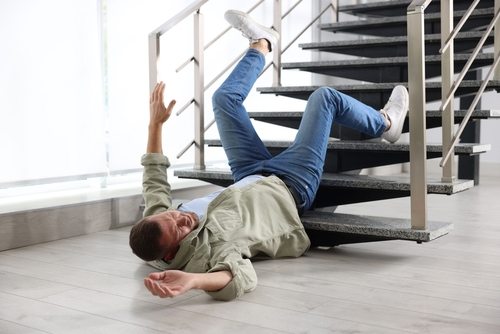
Effective prevention is not just about rules—it is about consistent action.
One of the most effective strategies is proactive maintenance. Instead of waiting for problems to appear, hazards should be identified and fixed early.
Technology can also help. Surveillance cameras and sensor-based systems can detect spills or unsafe conditions quickly.
Clear communication between staff members ensures hazards are reported and addressed without delay.
These combined efforts significantly reduce the likelihood of slip and fall accidents in both private and public environments.
Why Quick Action Matters
The faster an incident is reported and documented, the stronger the legal and financial outcome becomes. Delays can weaken evidence and reduce compensation chances significantly.
Frequently Asked Questions (FAQs)
What should I do immediately after a fall?
Seek medical attention first, then document the scene and report the incident to the property owner.
How long do I have to file a claim?
Time limits vary by region, but acting quickly is always recommended to avoid losing legal rights.
Can I claim compensation if I was partly at fault?
Yes, but the amount may be reduced depending on your level of responsibility.
Do all cases require a lawyer?
Not always, but legal support often increases the chances of fair compensation.
What evidence is most important?
Photos, medical records, and witness statements are the strongest forms of evidence.
Conclusion: Staying Safe and Protecting Your Rights
Accidents in everyday environments are more common than most people realize, but many of them can be prevented with proper care and attention. Understanding risks, maintaining safe conditions, and responding quickly after an incident are all essential steps toward reducing harm.
When slip and fall accidents occur, knowing your rights and taking immediate action can significantly improve outcomes. From documentation to legal support, every step matters in ensuring fairness and recovery.
Ultimately, safety is a shared responsibility. Property owners must maintain secure environments, and individuals must remain aware of their surroundings. By working together, many injuries can be avoided, and safer spaces can be created for everyone.
Read More:-Complete Guide to Protecting Businesses from Product Defects