


Introduction
Running a business that sells products today is both exciting and risky. Whether you manufacture electronics, package food, design toys, or distribute goods, there is always a chance that something could go wrong after a product reaches the customer. Even with strict quality control, no system is perfect.
A single defect, misunderstanding in instructions, or unexpected reaction to a product can lead to lawsuits, financial losses, or reputational damage. This is why businesses around the world invest heavily in risk protection systems that help them survive unexpected challenges.
Many business owners first begin exploring safety options by searching for what is product liability insurance, trying to understand how financial protection works when product-related claims arise.
In this article, we will explore everything in a simple, human-like way so that even non-technical readers can fully understand how product-related protection works, why it matters, and how it can safeguard long-term business success.
What Product Liability Means in Real Business Life
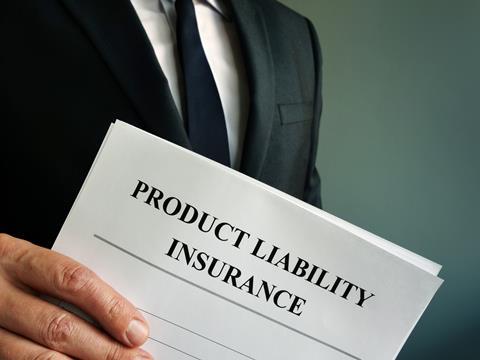
Every product sold in the market carries some level of responsibility. If it causes harm, damage, or injury, the business involved in making or selling it may be held legally accountable.
This legal responsibility is known as product liability. It applies not only to manufacturers but also to distributors, wholesalers, and retailers in many cases.
When people ask what is product liability insurance, they are actually trying to understand how businesses protect themselves from these legal and financial risks. It is essentially a safety mechanism that absorbs the cost of lawsuits, claims, and compensation so the business does not suffer devastating losses.
In modern commerce, this protection is not optional—it is a strategic necessity.
Why Product Risks Are Increasing Globally
The business world has become more complex than ever before. Products are no longer made and sold in a single location. Instead, they pass through multiple countries, suppliers, and distribution channels.
This complexity increases risk in several ways:
- Different manufacturing standards across countries
- Communication gaps in supply chains
- Increasing consumer awareness of legal rights
- Faster spread of complaints through social media
- Strict regulatory enforcement in most regions
Because of this environment, even a small defect can escalate into a major legal issue. Understanding what is product liability insurance helps businesses prepare for these growing global risks.
How Product Liability Protection Works in Practice
At its core, this protection system works by transferring financial risk from the business to an insurance provider.
When a claim is filed, the insurer steps in to handle eligible expenses such as legal defense, compensation, and settlement costs.
Typical coverage includes:
- Legal fees for court representation
- Compensation for injured customers
- Property damage costs
- Medical expenses in injury cases
- Product recall costs in certain policies
This system allows businesses to continue operating without facing sudden financial collapse due to unexpected lawsuits.
Types of Product Risks Businesses Commonly Face
Every industry faces different kinds of product-related risks. However, most of them fall into a few common categories.
Manufacturing Errors
These occur during production when machines malfunction or human errors result in defective items reaching the market.
Design Defects
Sometimes the problem exists even before production begins. A poorly designed product may be unsafe even if manufactured correctly.
Labeling and Instruction Issues
Incorrect or missing instructions can lead to misuse, causing harm to customers.
Packaging Failures
Improper packaging can result in contamination, leakage, or damage during transportation.
Each of these risks highlights why understanding what is product liability insurance is essential for businesses that want long-term stability.
Financial Impact of Product-Related Claims
Legal claims are not just about paying compensation. The real financial burden is often much larger than expected.
Businesses may face:
- Expensive legal representation fees
- Court settlement costs
- Product recall logistics
- Loss of customer trust
- Reduced sales and brand value
In extreme cases, a single lawsuit can lead to bankruptcy for small or medium-sized businesses. This is why understanding what is product liability insurance becomes crucial for survival in competitive markets.
Key Benefits of Having Strong Protection
While many businesses see insurance as an expense, it is actually a long-term investment in stability.
Some major benefits include:
- Financial protection from unexpected claims
- Stronger brand credibility in the market
- Increased trust from customers and partners
- Better compliance with international regulations
- Peace of mind for business owners
It also allows businesses to focus on growth instead of constantly worrying about legal risks.
What Coverage Usually Includes
Different policies may vary, but most comprehensive plans offer similar core protections.
Legal Defense Support
Legal battles can be expensive and time-consuming. Coverage helps manage lawyer fees and court costs.
Compensation Payments
If the business is found responsible, compensation costs are covered based on policy limits.
Property Damage Protection
If a product damages someone’s property, the financial burden is covered.
Medical Expense Coverage
If a product causes injury, medical costs may be included.
Recall Expenses
Some policies also cover the cost of recalling defective products from the market.
These features make protection systems essential for companies operating at scale.
Industries Most Dependent on Product Protection
Certain industries face higher risks than others due to the nature of their products.
These include:
- Food and beverage production
- Pharmaceuticals and healthcare
- Electronics and appliances
- Automotive parts manufacturing
- Toys and baby products
- Chemical-based industries
In these sectors, even minor defects can have serious consequences, making risk protection critical.
How Insurance Costs Are Determined
The cost of coverage varies depending on several business factors:
- Type of product being sold
- Annual business revenue
- Risk level of industry
- Manufacturing location and quality control
- History of past claims
High-risk industries typically pay more due to increased chances of claims. However, the cost is still far lower than potential legal damages.
Understanding what is product liability insurance also helps businesses evaluate whether their coverage levels match their risk exposure.
Common Misunderstandings About Product Protection
Many business owners misunderstand how liability protection works. Some believe it is unnecessary for small businesses or only applies to manufacturers.
However, reality is different:
- Even retailers can be held responsible
- Small businesses are equally vulnerable
- Quality control does not eliminate legal risk
- Claims can arise years after product sale
These misconceptions often lead businesses to underestimate their exposure.
Real-World Example of Product Risk
Imagine a company producing kitchen appliances. A hidden wiring defect causes overheating in a small percentage of units. Several customers experience property damage due to electrical fires.
This is exactly the kind of situation businesses try to understand when they research what is product liability insurance, because it shows how serious real-world product failures can become.
Without protection, the company would face:
- Multiple lawsuits
- High compensation payouts
- Product recall expenses
- Severe brand reputation damage
With proper coverage, the financial impact is significantly reduced, allowing the business to continue operating.
Risk Prevention vs Financial Protection
It is important to understand that insurance is not a replacement for safety measures. Instead, it works alongside prevention strategies.
Businesses often learn this clearly when they explore what is product liability insurance, because it shows how financial protection supports, not replaces, safety practices.
Businesses should also focus on:
- Regular product testing
- Strong supplier evaluation systems
- Clear labeling and instructions
- Compliance with safety standards
- Continuous quality improvement
Combining prevention and protection creates a strong defense system against risks.
Frequently Asked Questions (FAQs)
What is product liability insurance in simple words?
It is financial protection that helps businesses cover costs if their product causes injury, damage, or legal claims.
Who needs this type of coverage?
Any business involved in manufacturing, selling, or distributing physical products should consider it essential.
Is it required by law?
In most countries, it is not mandatory, but it is highly recommended due to legal risks.
Does it cover product recalls?
Some policies include recall coverage, but it depends on the insurer and policy type.
Can small businesses afford it?
Yes, there are flexible plans designed specifically for small and medium businesses.
What happens if a business does not have coverage?
The business must pay all legal and compensation costs out of pocket, which can be financially devastating.
Conclusion: Why Every Business Should Take Protection Seriously
In today’s fast-moving and highly competitive marketplace, product risks are unavoidable. Even with strict quality control, unexpected issues can arise at any stage of the product lifecycle.
This is why understanding what is product liability insurance is not just important—it is essential for survival and growth. It provides financial protection, supports legal defense, and helps businesses maintain trust in the market.
Businesses that ignore these risks often face severe consequences, while those that prepare in advance build stronger, more resilient operations.
The smartest approach is to combine prevention strategies with reliable protection coverage, ensuring long-term stability and peace of mind.
Read More:-Finding the Right Injury Attorney for Defective Product Claims Now